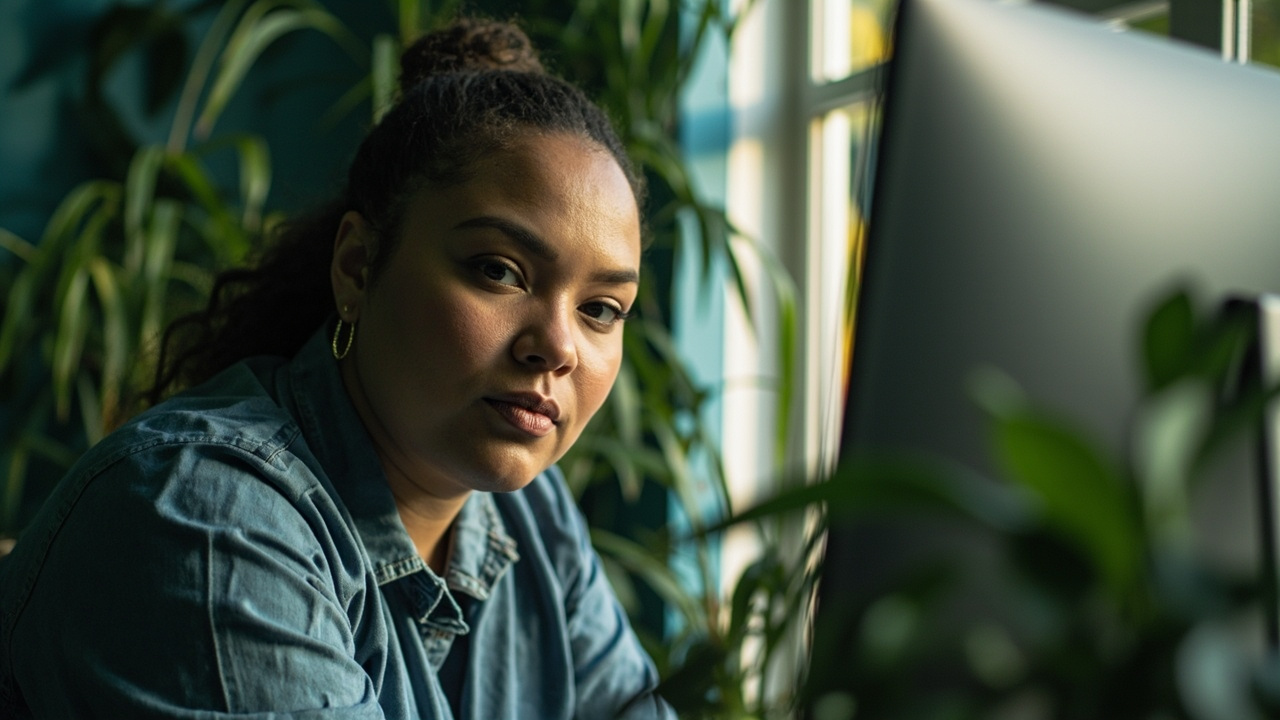
AI Model Diversity: Building a Size-Inclusive Virtual Cast
October 15, 2026
Outfit Video and the generation of AI fashion models it represents are changing that calculus, making a genuinely size-inclusive and diverse virtual model cast achievable without a six-figure production budget.
- Customers convert at higher rates when they see their own body type represented in product imagery.
- AI fashion models allow brands to build a diverse virtual cast at a fraction of traditional photography costs.
- Size-inclusive marketing requires intentional casting across body sizes, skin tones, ages, and abilities, not token representation.
- Transparency about AI-generated imagery is becoming a legal requirement in several markets and is already a consumer trust issue.
- Short-form video platforms reward diversity signals because they drive watch time and shares among underserved audience segments.
- A systematic casting brief and quality review process ensures your virtual cast performs commercially, not just ethically.
Why Representation Drives Revenue
The business case for size-inclusive marketing is no longer a values argument alone. A 2023 Edelman study found that 63 percent of consumers want brands to reflect people who look like them in advertising. Plus-size consumers in the United States alone represent a market estimated above 24 billion dollars annually, yet the majority of fashion advertising still defaults to a narrow size range. The gap between who buys and who is shown buying is one of the most measurable missed opportunities in e-commerce.
When shoppers see a garment on a body that resembles their own, three things happen. They spend longer examining the product, which lifts on-site engagement metrics. They are more likely to add to cart because fit anxiety decreases. And return rates fall because expectations are set accurately. All three outcomes are directly measurable in your analytics, which makes diverse virtual models a performance investment rather than a PR gesture.
What Size-Inclusive AI Casting Actually Means
Diversity in a virtual cast is not fulfilled by adding one plus-size model to an otherwise homogeneous lineup. Genuine size-inclusive casting requires deliberate planning across several dimensions:
- Body size and shape: Cover the full range your product is sold in, from the smallest to the largest available size, with proportions that reflect real customers rather than idealized silhouettes.
- Skin tone: Use a structured palette such as the Monk Skin Tone Scale rather than informal descriptors to ensure your virtual cast represents the global customer base you serve.
- Age: Younger and older shoppers are both active online buyers. Including models across age ranges signals that your brand is for everyone, not just one life stage.
- Ability and body neutrality: AI-generated imagery increasingly supports the depiction of models with visible disabilities or non-normative body features. Brands in accessible fashion categories should prioritize this dimension.
- Gender expression: For brands selling across gender lines, your virtual cast should reflect that breadth without forcing binary presentation.
When briefing AI model generation, treat each of these dimensions as a variable you set intentionally, not a default you accept. The same discipline that goes into writing a fashion video brief for your team applies here: specificity produces better outputs.
Building Your Virtual Cast Systematically
A scattered approach to AI fashion model selection produces an inconsistent brand aesthetic. A systematic one produces a reusable asset library that scales. Start by mapping your product range to the customer segments who buy it. Pull your own order data: what size distribution do your customers actually fall into? What does your returns data tell you about fit issues concentrated in particular size brackets? These numbers should directly inform the composition of your virtual cast.
From there, build a model matrix. For each product category, define the minimum number of body types, skin tones, and ages that must be represented before a product page or video is considered complete. A basic matrix for a womenswear brand might require coverage of sizes 8, 14, and 20 as a starting floor, with three distinct skin tones and at least two age ranges. That matrix becomes a creative brief input every time you generate a new product video.
This systematic approach matters especially for activewear and performance categories, where fit varies significantly across body types and customers need to see how stretch and compression behave at their own size. The considerations around demonstrating fit in motion, covered in the guide on activewear video showing stretch, sweat and fit on camera, apply equally to a diverse virtual cast: different body types will reveal different fit truths about the same garment.

Transparency, Ethics, and Legal Obligations
Using AI-generated models carries disclosure responsibilities that are tightening globally. The EU AI Act and emerging regulations in the United Kingdom and several US states are moving toward mandatory labeling of synthetic media in commercial contexts. Beyond compliance, consumer trust data consistently shows that audiences respond better to brands that are upfront about AI use than to those who obscure it.
There is also a distinct ethical concern specific to body representation. AI systems trained on historical fashion imagery inherit the biases of that data, meaning they may default toward narrower body types, lighter skin tones, or younger faces unless actively corrected. Brands must audit their outputs against their stated diversity goals rather than assuming the tool is neutral. A structured QA checklist before publishing AI fashion video should include a representation review step alongside the standard checks for artifacts and garment accuracy.
Digitally altering a body, whether through AI generation or post-production, is also subject to regulatory scrutiny in markets including the UK and Norway. The principles are covered in detail in the post on advertising standards and digitally altered bodies in fashion ads. Size-inclusive AI casting should aim to show garments accurately on realistic bodies, not to create idealized versions of diverse bodies that introduce a different form of misrepresentation.
Platform Performance of Diverse Video Content
Short-form video platforms actively reward content that resonates with underserved audience segments. TikTok’s algorithm surfaces content based on engagement signals, not follower count. A video featuring a body type rarely shown in fashion advertising can achieve outsized reach precisely because it generates strong save and share rates from communities that almost never see themselves represented.
On Instagram Reels and Pinterest, size-inclusive content consistently performs above category benchmarks for saves and profile visits, two indicators of high purchase intent. Brands that publish consistently across body types are effectively running parallel targeting strategies without paying for separate ad sets. Each video finds its most responsive audience segment organically.
The practical implication: a diverse virtual cast is also a distribution strategy. Producing the same product video in five body-type variants costs a fraction of five separate influencer campaigns and generates compounding organic reach across each segment’s community.
Quality Control for Diverse AI Outputs
Generating AI fashion model content across a diverse cast introduces specific quality challenges. Garment rendering can behave differently at larger body sizes, with fabric drape, seam placement, and hem length all shifting in ways that require review. Skin tone rendering under different lighting conditions can produce inconsistencies that undermine the authenticity the content is meant to project.
Build a review checklist specific to diversity outputs. For each generated video or image, verify that the garment fits plausibly for the body size shown, that the skin tone is rendered consistently throughout and matches the intended reference, and that the overall presentation treats the body depicted with the same aesthetic care applied to every other model in the cast. Inconsistent quality across body types signals a hierarchy of effort. Audiences notice.
Common rendering issues such as distorted hems or inaccurate garment edges can affect outputs at any body size, but are more likely to occur at proportions underrepresented in training data. The technical guidance on fixing hands, hems and logos in AI-generated fashion clips provides practical remediation steps applicable to your diverse cast outputs.
FAQ
Do AI fashion models actually improve conversion rates for plus-size products?
Yes. Multiple e-commerce studies show that shoppers in underrepresented size categories convert at measurably higher rates when they can see garments on a body that resembles their own. The effect is strongest for fitted garments where fit anxiety is highest, including dresses, trousers, and structured tops. Brands that have added extended-size model imagery consistently report lower return rates alongside higher conversion in those size brackets.
Do I need to disclose that my model imagery is AI-generated?
In a growing number of markets, yes. The EU AI Act requires labeling of synthetic media in commercial contexts. UK and Norwegian advertising standards bodies have also taken action against undisclosed digital alteration. Beyond legal compliance, transparency builds trust. A simple label such as “imagery created with AI” satisfies most current requirements and tends to generate neutral to positive consumer responses when applied consistently.
How do I brief an AI tool to generate a specific body type accurately?
Specificity is the key. Use precise descriptors for body shape, size range (referencing clothing sizes your brand uses), skin tone (ideally from a standardized scale such as Monk), age range, and any other relevant characteristics. Avoid vague terms like “curvy” or “plus-size” in isolation because their interpretation varies widely. Pair textual prompts with reference images where your tool supports them, and build a prompt library that can be reused consistently across your product catalog.
Can AI-generated diverse models replace human models entirely?
For many standard product presentation use cases, yes. AI-generated models are already capable of producing commercially viable content for static imagery and short-form video at a quality level that meets platform and e-commerce standards. However, editorial content, campaigns requiring emotional storytelling, and contexts where authentic lived experience is part of the brand message still benefit from human talent. Most brands will find a hybrid approach optimal: AI for catalog-scale diversity coverage, human models for hero campaign content.
What are the biggest mistakes brands make with size-inclusive AI casting?
The most common errors are token representation (adding one non-standard size while leaving the rest of the cast unchanged), inconsistent quality (applying less care to renders of larger bodies than smaller ones), and failing to audit for bias in AI outputs. Brands also frequently define diversity only along size lines while neglecting skin tone, age, and ability. Finally, some brands generate diverse imagery but then restrict it to secondary placements rather than using it in primary hero positions, which limits both its commercial impact and its credibility as a brand commitment.
Ready to turn your outfit photos into scroll-stopping videos? Try Outfit Video free and create your first AI fashion video in minutes.
Ready to turn your outfit photos into scroll-stopping videos? Try Outfit Video free and create your first AI fashion video in minutes.